
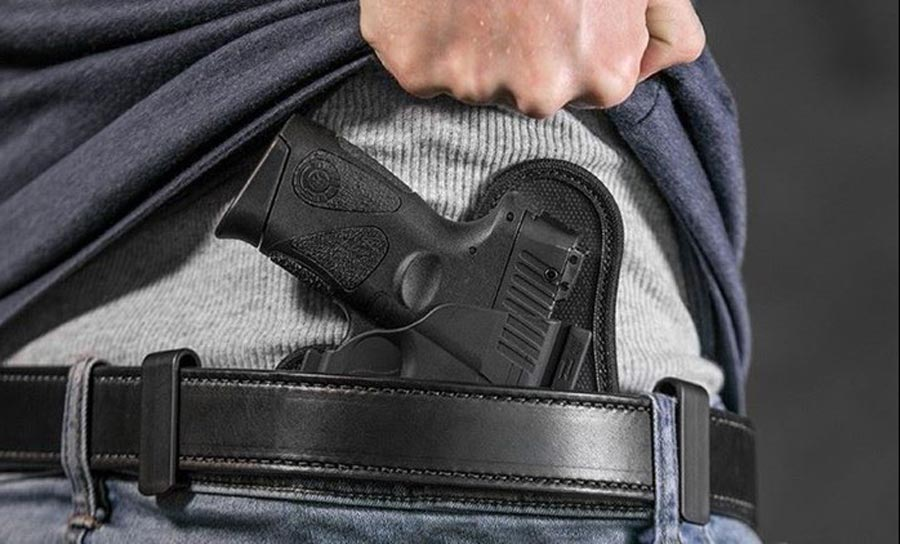
In today’s world, knowing how to handle a firearm safely is essential for personal protection and public safety. Concealed Carry Weapon (CCW) classes are designed to educate individuals on responsible firearm ownership and use. These classes provide the skills and knowledge needed to carry a firearm legally and safely, ensuring that gun owners are well-prepared to handle situations that may arise.
Understanding the Purpose of CCW Classes
CCW classes are not just about learning how to shoot a gun. They focus on teaching safe and responsible firearm handling, understanding the laws surrounding concealed carry, and developing the mindset necessary to avoid unnecessary risks. Participants learn about the responsibilities that come with carrying a weapon, including knowing when it is legally and morally appropriate to use it. By attending these classes, individuals gain confidence in their ability to protect themselves and others while minimizing the chances of accidents or misuse.
Learning Firearm Safety Rules
One of the main aspects of CCW classes is firearm safety. Instructors emphasize the importance of treating every gun as if it is loaded, keeping the finger off the trigger until ready to shoot, and always pointing the firearm in a safe direction. Students practice safe storage techniques and learn how to handle firearms in a variety of situations without endangering themselves or others. By internalizing these rules, participants develop habits that promote responsible firearm ownership.
Developing Proper Shooting Techniques
CCW classes also provide hands-on training in shooting techniques. Instructors teach participants how to aim accurately, control their grip, and maintain proper stance. This practical training helps students gain proficiency with their firearms, which is crucial for both safety and effectiveness. By practicing under the guidance of trained professionals, participants learn how to respond calmly and accurately in stressful situations, which can significantly reduce the risk of accidents.
Understanding Legal Responsibilities
A critical component of CCW classes is understanding the legal aspects of carrying a concealed firearm. Students learn about the laws governing where they can carry, how to interact with law enforcement, and the legal consequences of using a weapon in self-defense. This knowledge helps gun owners make informed decisions and avoid situations that could lead to legal trouble. Being well-informed about these rules ensures that carrying a concealed weapon is done responsibly and within the bounds of the law.
Building the Right Mindset
Responsible firearm handling is not only about physical skills but also about developing the right mindset. CCW classes emphasize the importance of awareness, judgment, and self-control. Participants learn to assess potential threats, recognize dangerous situations, and decide when it is appropriate to use their firearm. This mental training encourages a thoughtful approach to carrying and using a weapon, reinforcing that firearms should only be used as a last resort for protection.
Practicing Realistic Scenarios
Many CCW classes incorporate scenario-based training to prepare participants for real-life situations. These exercises simulate potential encounters where a firearm might be needed, allowing students to practice decision-making, quick thinking, and safe handling under pressure. By experiencing these scenarios in a controlled environment, individuals are better equipped to respond effectively and responsibly in actual emergencies.
Promoting Lifelong Responsibility
CCW classes aim to create lifelong responsible firearm owners. The skills, knowledge, and mindset learned in these courses extend beyond the classroom, helping participants carry and use their firearms safely throughout their lives. By fostering a culture of responsibility, these classes contribute to overall public safety and ensure that firearms are handled with the care and respect they deserve.
In conclusion, CCW classes provide comprehensive training that goes beyond simply learning to shoot. They teach safe handling, legal responsibilities, proper techniques, and the mental preparedness necessary for responsible firearm ownership. By attending these classes, individuals gain the confidence and knowledge needed to carry a firearm safely, protect themselves effectively, and uphold the law. Responsible firearm handling begins with education, and CCW classes are an essential step toward achieving it.