
Key Takeaways
- Begin every pressure test with a written, approved scope and procedure.
- Verify system boundaries, isolation points, test pressure, equipment ratings, and instrument calibration before pressurizing.
- Use exclusion zones, controlled access, clear communication, and safe observation positions to reduce worker exposure.
- Select hydrostatic, pneumatic, or supplemental inspection methods based on the equipment and approved engineering requirements.
- Treat test records and corrective actions as working tools for safer maintenance decisions.
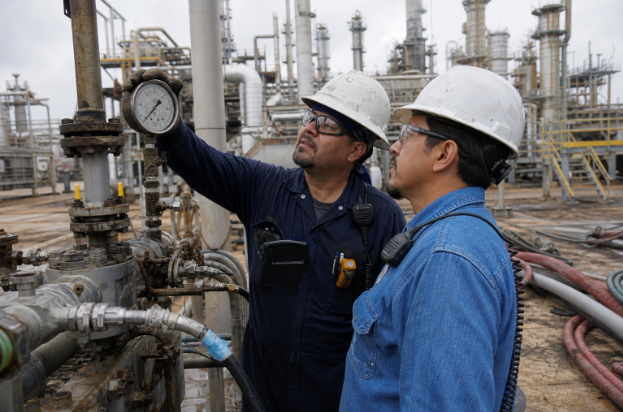
Pressure testing is a critical part of maintaining piping, vessels, valves, and process equipment at industrial facilities across Houston, Texas. Whether work is taking place at a refinery, chemical plant, fabrication yard, terminal, or utility site, a sound plan helps teams identify containment issues before equipment is returned to service. For projects that require specialized measurement support, strain gauge testing Houston TX, can complement a broader inspection and testing strategy.
Houston-area teams also need to plan for local realities. Heat, humidity, sudden rain, storm preparation, congested work areas, and active process units can affect access, visibility, temperature, and communication. Pressure testing is not simply a matter of connecting a pump and watching a gauge. It is a controlled, high-energy activity that requires defined boundaries, qualified people, appropriate equipment, and a clear response plan.
Good planning turns a pass-or-fail event into a useful maintenance decision. A test can reveal leakage, weak connections, movement, distortion, or pressure loss, but only when the team understands what is being tested and what results are acceptable. A line that appears isolated may still be exposed to pressure through an overlooked valve, bypass, drain, or connected piece of equipment.
Teams can keep the planning process moving by documenting open items, approvals, and assigned responsibilities in a centralized location rather than relying on informal handoffs. The person directing the test, the person monitoring pressure, the area attendant, and the individual authorized to stop work should be identified before the equipment is pressurized.
Why Pressure-Test Planning Matters
A pressure test places stress on equipment and temporary test connections. If a fitting, cap, hose, plug, or component fails, stored energy can create a serious hazard. The potential consequences include injury, fluid release, equipment damage, unplanned downtime, and disruption to nearby work. A written plan provides a common reference for the test boundary, target pressure, hold periods, inspection points, communications, and emergency actions.
In Houston facilities where multiple contractors and operations groups may work in proximity, pre-test coordination is especially important. The plan should state when testing begins, which areas will be restricted, how personnel will be notified, and how the team will respond if readings become unstable or a leak is found.
What to Review Before the Test
Preparation begins with reliable information. Review current drawings, line lists, equipment identification, repair records, prior inspection findings, and the approved test procedure. Confirm the intended system boundary and identify components that must be isolated, removed, protected, or excluded from the test.
- Design conditions, approved test pressure, and allowable temperature limits.
- Equipment age, material, known damage, repair history, and service conditions.
- The test medium, including water quality, chemical compatibility, drainage, and disposal needs.
- Pressure gauges, pumps, hoses, fittings, restraints, relief devices, and temporary connections.
- Weather conditions that may affect outdoor work, access, or safe release of test media.
- Calibration status for gauges and other measuring instruments.
Ownership must be equally clear. One responsible person should approve the procedure, while designated workers control pressurization, watch instruments, manage access, and inspect from safe locations. Every member of the crew needs the authority to call a pause when conditions do not align with the plan.
Key Safety Controls for the Work Area
Before applying pressure, establish a marked exclusion zone and remove people, vehicles, tools, and unnecessary materials. Inspect temporary hoses and fittings carefully. Confirm that plugs, caps, restraints, blinds, valves, and supports are suitable for the planned conditions. Workers should not stand in front of pressurized connections, caps, plugs, or fittings.
Provide a safe route to gauges, pumps, and shutoff points. Use radios, hand signals, or another agreed method to communicate starts, holds, pressure changes, and stops. The crew should review emergency actions before testing begins, including how to reduce pressure safely and who will contact site emergency support if needed.
Choosing a Test Method
Hydrostatic Testing
Hydrostatic testing uses a liquid, commonly water, to pressurize the system. The method still requires careful controls, particularly when filling, venting trapped air, managing added weight, preventing corrosion, and handling drainage. A liquid-filled system can pose different risks than a gas-filled system, so teams should follow the approved procedure rather than assume a single approach fits every asset.
Pneumatic Testing
Pneumatic testing uses compressed gas and requires heightened caution because compressed gas can store substantial energy. Authorization, engineering review, controlled increases in pressure, equipment verification, and a conservative exclusion zone are essential. Applicable codes, site requirements, and qualified engineering direction should determine whether pneumatic testing is appropriate.
Supplemental Inspection Methods
Visual examination, dimensional checks, leak detection, temperature monitoring, and strain measurement can provide information that pressure readings alone may not show. The right combination depends on the equipment, the suspected damage mechanism, the service history, and the purpose of the test.
Monitoring During Testing
Raise pressure in controlled stages and pause at planned checkpoints. Observe pressure trends, gauge agreement, visible leakage, sweating, bulging, vibration, unexpected sounds, fluid loss, and changes in connected equipment. Do not approach a suspected leak while the system remains pressurized.
- Confirm the test boundary and isolation arrangement.
- Verify instruments, relief provisions, and calibration records.
- Fill or connect the system in accordance with the approved procedure.
- Increase pressure in stages, recording readings at each hold point.
- Inspect from a protected location and stop if abnormal conditions appear.
- Release pressure slowly through the planned path after the test.
Records, Results, and Corrective Action
A complete test record should identify the equipment, location, date, test medium, target pressure, gauge identification, weather conditions when relevant, personnel involved, observations, photos, and final disposition. The inspection guidance for pressure vessels emphasizes condition monitoring, analysis of inspection results, and fitness-for-service decisions.
If a test fails, stop work, reduce pressure safely, document the finding, and determine the cause before repair or retest. A report should not be closed until the corrective action, the responsible party, the approval path, and the return-to-service decision are defined. The pressure-equipment news archive also reflects the ongoing industry attention given to inspection, nondestructive examination, welding, valves, and equipment integrity.
Common Planning Mistakes to Avoid
- Starting without an approved written procedure.
- Using hoses, gauges, or fittings with unclear ratings or conditions.
- Skipping the pre-test briefing and access-control plan.
- Relying on one unverified pressure gauge.
- Leaving connected equipment outside the intended test boundary.
- Ignoring small leaks or unusual readings near the end of a test.
- Depressurizing too quickly or without controlling the release path.
- Failing to assign and track corrective actions after a failed test.
A Simple 2026 Houston Pressure-Test Checklist
- Scope: Is the equipment and test boundary clearly defined?
- People: Are qualified workers assigned to testing, monitoring, access control, and stop-work authority?
- Equipment: Are pumps, gauges, hoses, fittings, restraints, and relief devices suitable for the test?
- Isolation: Have all valves, blinds, plugs, drains, and connected systems been verified?
- Area: Is the exclusion zone marked, controlled, and free of unnecessary personnel?
- Communication: Does everyone understand the start, stop, hold, and emergency signals?
- Closeout: Are results documented, and are defects assigned for corrective action?
For Houston industrial teams, disciplined pressure-test planning supports safer work, clearer decisions, and more dependable equipment. A careful procedure, well-maintained test equipment, controlled work area, accurate records, and timely follow-up can help keep a small finding from becoming a larger operational problem.