
In an era dominated by digital screens and sedentary lifestyles, the importance of outdoor physical activity for children has never been more critical.
A well-designed play area is far more than just a collection of slides and swings; it is a vital environment where developmental milestones are reached and social bonds are forged.
Investing in a professional playscape installation transforms an underutilized open space into a dynamic hub of learning and physical growth, providing long-term benefits for children and the broader community alike.
Fostering Physical Health and Motor Development
The most immediate advantage of outdoor play is the promotion of physical fitness. Modern play structures are engineered to challenge a child’s balance, coordination, and strength in a safe and controlled manner.
Regular access to these facilities encourages children to engage in vigorous movement, which is essential for cardiovascular health and the prevention of childhood obesity.
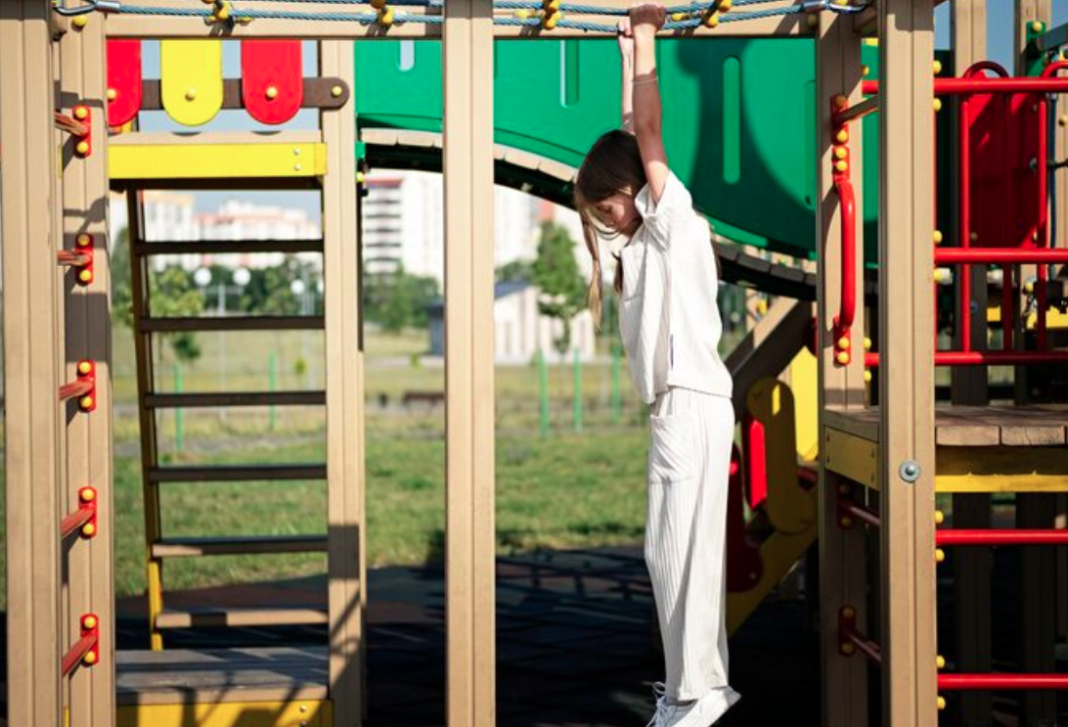
By participating in diverse activities like climbing and hanging, children develop both gross and fine motor skills that are fundamental to their physical maturity and overall well-being.
Stimulating Cognitive Growth and Problem Solving
Play is often described as the work of childhood, and for good reason. A thoughtful playscape installation incorporates various elements that stimulate imaginative play and critical thinking.
Whether navigating a complex climbing wall or figuring out the mechanics of a sensory play panel, children are constantly solving problems and making decisions.
This cognitive engagement helps build neural pathways associated with spatial awareness and logical reasoning, proving that outdoor environments are just as educational as traditional classroom settings.
Encouraging Social Interaction and Cooperation
Public play areas serve as essential social laboratories where children learn the nuances of human interaction. Within these spaces, children from diverse backgrounds come together to negotiate rules, share equipment, and collaborate on imaginative games.
These interactions teach vital soft skills such as empathy, conflict resolution, and teamwork. By providing a communal space through a high-quality playscape installation, communities foster a sense of belonging and help children develop the social confidence they will carry into adulthood.
Supporting Emotional Resilience and Stress Relief
Nature and outdoor play have a profound impact on mental health, offering a natural outlet for pent-up energy and stress. The freedom to run, jump, and shout in an outdoor setting allows children to release tension and regulate their emotions more effectively.
Furthermore, mastering a challenging piece of equipment provides a significant boost to a child’s self-esteem. Overcoming a small fear, such as descending a tall slide, builds the emotional resilience needed to face larger challenges in life with confidence and poise.
Increasing Property Value and Neighborhood Appeal
Beyond the developmental benefits for children, the addition of a modern play area significantly enhances the aesthetic and functional value of a residential or commercial property.
Real estate developers and municipal planners often prioritize a playscape installation to make a neighborhood more attractive to young families.
A well-maintained and visually appealing playground signals a family-friendly environment and a commitment to community wellness, which can lead to increased property demand and a stronger, more vibrant local economy.
Providing Inclusive and Accessible Play Opportunities
Modern design standards emphasize the importance of inclusivity, ensuring that children of all physical abilities can enjoy the benefits of outdoor activity.
Contemporary play environments utilize rubberized surfacing and specialized equipment to accommodate wheelchairs and children with sensory sensitivities. This inclusive approach ensures that no child is left on the sidelines.
By prioritizing accessibility during the planning phase, a community creates a truly democratic space where every individual has the opportunity to thrive and grow through the power of play.